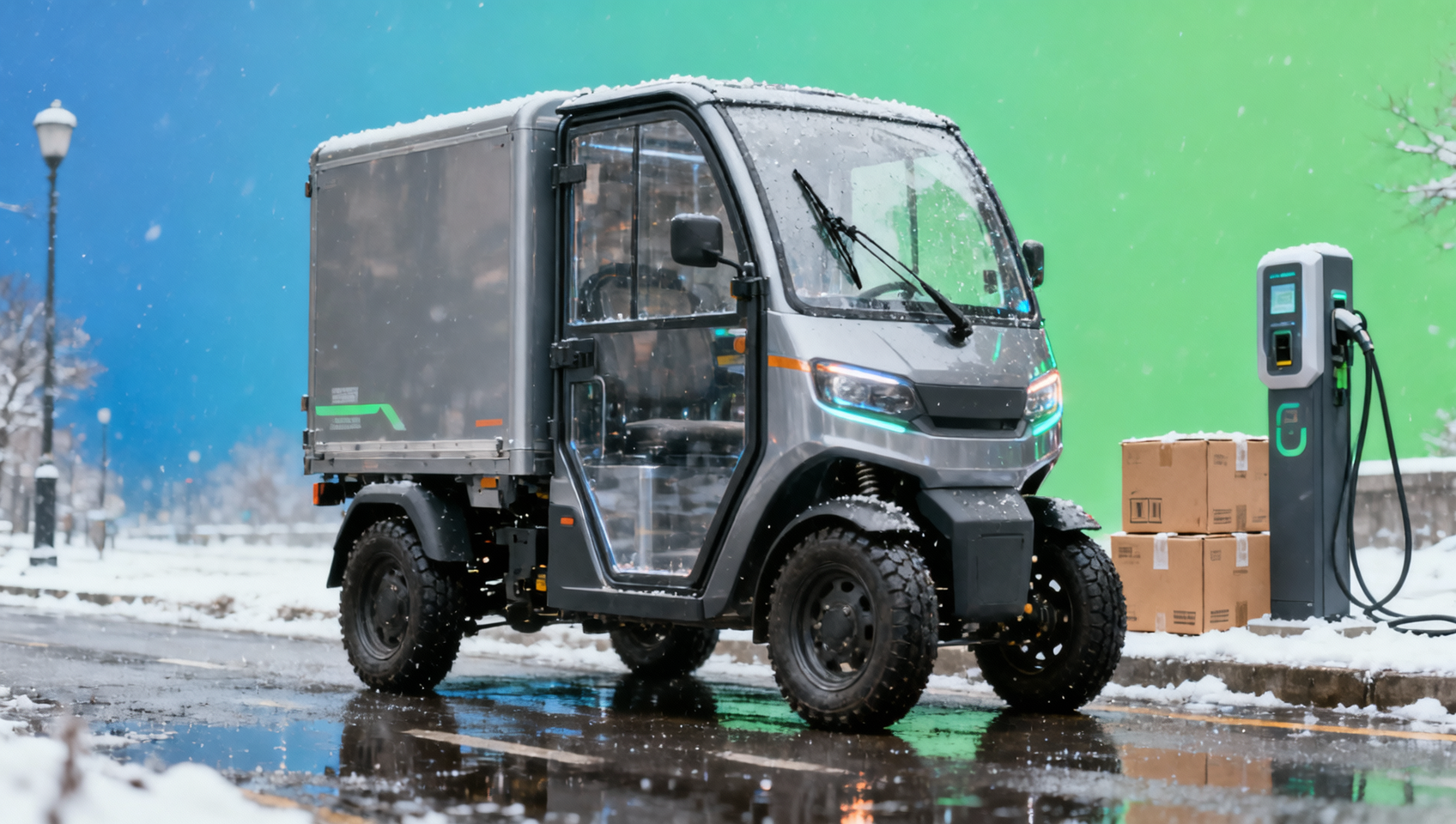
When cold weather arrives, many riders start asking: Is Enclosed Electric Tricycle worth buying for winter? With better protection from wind, rain, and low temperatures, this new energy vehicle can offer a more comfortable and practical riding experience during harsh months. But comfort is only one part of the decision. Cost, battery performance, safety, and daily usability also matter, especially for commuters and delivery users looking for reliable winter mobility.
For buyers in the new energy vehicle sector, the winter value of an enclosed electric tricycle depends less on a simple yes-or-no answer and more on usage profile, vehicle configuration, and operating environment. A rider covering 5–10 km per day in a flat urban area has very different needs from a delivery operator running 60–90 km across wet suburban roads. That is why a winter buying decision should focus on total usability, not only cabin enclosure.
In B2B and commercial mobility scenarios, enclosed electric tricycles are increasingly evaluated as practical low-speed electric transport solutions for last-mile delivery, community patrol, facility operations, and short-distance commuting. Winter often exposes the real strengths and weaknesses of these vehicles. The key questions are clear: how much range is lost in cold weather, what safety features are necessary, and which configurations justify the extra purchase cost?
Why Winter Changes the Buying Equation
An enclosed electric tricycle is not just an open trike with a roof. In winter, enclosure changes the riding environment by reducing wind chill, limiting direct rain exposure, and improving rider endurance over repeated daily trips. Even when outside temperatures fall to 0°C–5°C, the cabin can feel noticeably more manageable than an open frame vehicle, especially at urban operating speeds of 20–35 km/h.
For private users, the biggest winter benefit is comfort stability. For commercial users, it is productivity. A delivery rider who stays warmer tends to experience less fatigue during 6–8 hour shifts. A commuter using a fully enclosed electric tricycle may also avoid additional clothing bulk, which improves control and convenience when entering workplaces, schools, or residential compounds.
However, enclosure also adds weight, affects aerodynamics, and may slightly increase energy consumption. In low temperatures, battery chemistry already faces reduced efficiency. If a vehicle is poorly engineered, winter range can drop by 15%–35%, depending on battery type, route load, and heating accessories. This is why buyers should look at the full system instead of treating enclosure as an automatic upgrade.
Another important factor is route exposure. A rider in a dry but cold environment may value windshield protection most, while users in snowy or rainy regions also need sealed doors, anti-fog visibility, and stable braking response. In other words, winter performance is a combination of cabin design, battery resilience, tire grip, and electrical reliability.
Who benefits most from enclosed models in winter
- Urban commuters traveling 8–25 km daily and needing weather protection without switching to a full-size EV.
- Last-mile delivery operators requiring 40–80 km daily use with multiple stops in cold or wet conditions.
- Community, campus, and industrial park users who need low-speed electric mobility with basic cargo or passenger capacity.
- Older riders who place higher value on stability, reduced wind exposure, and easier winter operation.
If the vehicle will be used fewer than 2–3 days per week or only for very short trips under 3 km, the added cost of a fully enclosed body may not always be justified. But for consistent winter operation, enclosure often shifts from comfort feature to operational necessity.
Battery Performance, Range Loss, and Charging Reality
Battery behavior is one of the most important reasons buyers hesitate before purchasing an enclosed electric tricycle for winter. Cold weather reduces electrochemical activity, which can lower available capacity, weaken acceleration under load, and extend charging time. This effect is normal across electric mobility products, but the impact varies by battery type and usage pattern.
In practical terms, lithium battery systems generally perform better than lead-acid systems in cold weather, although both experience winter reduction. For example, a lithium-equipped enclosed electric tricycle rated for 100 km in mild conditions may realistically deliver 70–85 km in winter. A lead-acid version rated at 60 km may drop closer to 40–50 km under similar loads and temperatures.
Buyers should also account for payload. A vehicle carrying one rider and light cargo behaves very differently from a delivery trike carrying 80–150 kg repeatedly across stop-and-go routes. Heating accessories, defogging fans, lights, and wipers all add electrical demand. Even small auxiliary loads can noticeably reduce daily operating margin when routes are already near the battery’s practical limit.
Charging discipline matters in winter. Parking and charging indoors, or at least in a sheltered environment above 5°C, can help maintain battery condition. Businesses that operate 5–7 days per week should plan a charging schedule around route cycles rather than relying on nameplate range. A 20% reserve is a safer winter planning threshold than trying to use nearly 100% of available capacity every day.
Typical winter battery considerations
The table below shows common battery-related differences buyers should consider when comparing enclosed electric tricycles for winter operation. These are typical market ranges rather than brand-specific claims.
The main takeaway is simple: winter amplifies the value of battery reserve. Buyers should not choose a vehicle whose rated range only narrowly matches their daily route. In cold weather, a planned operating buffer of 15–25 km can prevent mid-shift charging delays and reduce battery strain.
Practical charging checklist
- Charge after the battery has stabilized from outdoor cold, rather than immediately after severe exposure when possible.
- Avoid repeated full depletion below the operational reserve in winter duty cycles.
- Match charger output and battery management settings to the installed pack type.
- For fleet buyers, maintain at least 1 backup charging position per 3–5 vehicles.
Safety and Vehicle Configuration Matter More Than the Cabin Alone
Many buyers focus on the enclosed body first, but winter safety depends more on the complete vehicle package. A cabin can protect the rider from weather, yet poor tires, weak brakes, and low visibility can still make the vehicle unsuitable for winter use. In low-speed electric transport, safety should be evaluated as a combination of braking, traction, sightlines, stability, and electrical sealing.
Braking is especially important on wet roads and mixed surfaces. Buyers should check whether the enclosed electric tricycle uses front and rear drum brakes, disc-plus-drum combinations, or more advanced hydraulic setups. For winter operation, a stable brake feel under repeated stop-start use is often more important than top speed. A vehicle limited to 25–35 km/h still needs predictable stopping behavior under load.
Visibility is another common weakness. Enclosed cabins can fog more easily than open vehicles, especially when the rider breathes into a colder cabin environment. Front defogging, vent design, wiper coverage, and windshield material all affect usability. If the windshield visibility degrades during rain or freezing humidity, the practical winter value of the enclosure drops significantly.
Tires and suspension also shape safety. Narrow, hard-compound tires may work in dry weather but can become less forgiving in cold temperatures. For delivery use, a wider tire footprint and reinforced suspension are often preferable. A heavily loaded enclosed trike with poor rear stability may feel secure in appearance but behave poorly during cornering, uneven pavement, or braking on painted road surfaces.
Key winter configuration points to compare
The table below can help procurement teams and individual buyers compare winter-focused configurations before purchase.
The best winter tricycle is not the one with the most enclosed bodywork. It is the one with balanced electric performance, secure low-speed handling, and weather-ready visibility. Buyers should treat the cabin as one element in a broader winter safety package.
Common specification mistakes
- Choosing the cheapest enclosed shell without checking brake type or tire quality.
- Buying based on rated range only, without winter payload and route analysis.
- Ignoring windshield fogging and wiper coverage in rainy or snowy regions.
- Overestimating cabin warmth without considering insulation and airflow design.
Cost, ROI, and Whether the Extra Spend Pays Back
The real purchase decision often comes down to economics. An enclosed electric tricycle usually costs more than an open model because of added body panels, doors, glass or transparent panels, wipers, lighting integration, and stronger structural components. For many buyers, the question is not whether it is more comfortable, but whether that additional investment creates measurable operational value in winter.
For daily commuters, the payback may come from replacing short car trips, reducing ride-hailing expenses, and keeping travel more consistent in bad weather. For businesses, the value is easier to calculate: fewer weather-related interruptions, better rider endurance, and improved cargo protection can justify higher acquisition cost over a 12–24 month period, especially when the vehicle runs almost every day.
Maintenance costs should also be considered. Enclosed models may have slightly higher repair costs for doors, windows, hinges, and wiper systems, but they may also reduce wear associated with direct weather exposure on controls and seating. Battery replacement timing, charging efficiency, and spare parts availability are more important long-term cost drivers than the enclosure alone.
A sensible purchasing model is to compare total operating value across one winter season and one full year. If the vehicle supports at least 20–25 operating days per month in winter, the extra spend is easier to justify. If it is only used occasionally, an open trike with winter accessories may remain the more economical choice.
Simple cost-benefit comparison
This comparison helps frame when an enclosed electric tricycle becomes financially reasonable for winter use.
The financial answer is usually strongest for users with frequent winter trips, not occasional riders. If the vehicle is part of a daily mobility workflow, the enclosed format often delivers operational value beyond simple comfort.
Four procurement questions to ask
- What is the true winter route distance with payload, stops, and lighting load included?
- How many days per month will the vehicle operate in temperatures below 10°C?
- What spare parts and service response can the supplier support within 48–72 hours?
- Is the battery configuration oversized enough to preserve useful winter range after 1–2 years of use?
How to Choose the Right Model for Winter Use
Choosing the right enclosed electric tricycle starts with defining the operating scenario. Buyers should first classify use into one of three common categories: personal commuting, commercial delivery, or utility transport. Each category has a different priority stack. Commuters usually prioritize cabin comfort and charging convenience. Delivery operators prioritize range reserve, braking durability, and cargo practicality. Utility fleets often focus on maintenance simplicity and year-round reliability.
The next step is matching vehicle size to route reality. Larger cabins may look more attractive, but they add weight and can reduce efficiency. In dense neighborhoods, a compact enclosed electric tricycle with moderate cargo volume and a practical turning radius often performs better than a bulky unit. Buyers should confirm parking conditions, entry width, and charging access before final selection.
Supplier evaluation is also essential. In the new energy sector, vehicle quality is only part of the procurement decision. After-sales response, battery replacement support, controller compatibility, and seasonal spare parts supply all affect ownership quality. A reliable winter-use vehicle should not depend on difficult-to-source parts or nonstandard electrical components.
Testing is highly recommended before volume purchase. Even a short trial over 30–60 minutes in cold conditions can reveal issues with visibility, vibration, steering response, and cabin sealing. For business buyers, piloting 1–2 units before placing a larger order can reduce specification mismatch and support more accurate winter route planning.
Recommended winter selection framework
- Battery first: choose a battery system with at least 20% winter reserve beyond daily route demand.
- Safety second: verify brakes, tire grip, lighting, and defogging before evaluating cosmetic enclosure details.
- Route match: align cabin size, payload, and motor power with actual operating conditions.
- Service readiness: confirm spare parts availability, maintenance access, and technical support lead time.
- Trial validation: use a cold-weather test ride to confirm whether the vehicle remains practical after 30 minutes of continuous operation.
FAQ: common buyer concerns
Is an enclosed electric tricycle suitable for delivery in freezing weather?
Yes, if the route is within realistic winter range, the cabin has usable visibility control, and the vehicle has a battery and brake system sized for load. For delivery work above 40 km per day, lithium configurations usually offer a more dependable winter margin than lower-capacity lead-acid setups.
Does an enclosed cabin solve winter comfort completely?
No. It improves wind and rain protection significantly, but actual comfort also depends on seat design, sealing quality, ventilation, and whether the cabin fogs during use. Enclosure reduces exposure; it does not automatically create a heated automotive interior.
How much extra range should buyers plan for winter?
A practical rule is to plan for 15%–35% less real-world range in cold conditions, depending on battery type, route, payload, and accessory usage. If the daily route is 50 km, a vehicle with a mild-weather practical range closer to 70 km or more is usually safer.
Is it worth paying more for lithium battery versions?
For frequent winter use, often yes. Lithium systems generally provide better cold-weather consistency, lower weight, and stronger lifecycle economics, especially for riders or fleets operating 20+ days per month.
So, is an enclosed electric tricycle worth buying for winter? In many cases, yes—especially for commuters, delivery users, and utility operators who need dependable low-speed electric mobility in cold, wet, or windy conditions. The value is strongest when the vehicle is used frequently, configured correctly, and supported by a realistic battery and service plan.
The best buying decision comes from balancing 4 factors: winter comfort, real-world range, safety configuration, and total cost of ownership. If you are evaluating enclosed electric tricycles for personal use, fleet deployment, or commercial delivery, a specification-led approach will reduce risk and improve winter performance.
To explore the right configuration for your routes, payload, and seasonal operating needs, contact us now to get a tailored solution, discuss product details, or learn more about practical new energy mobility options for winter.


 Factory Inspection Conducted to Review Production and New Product Development
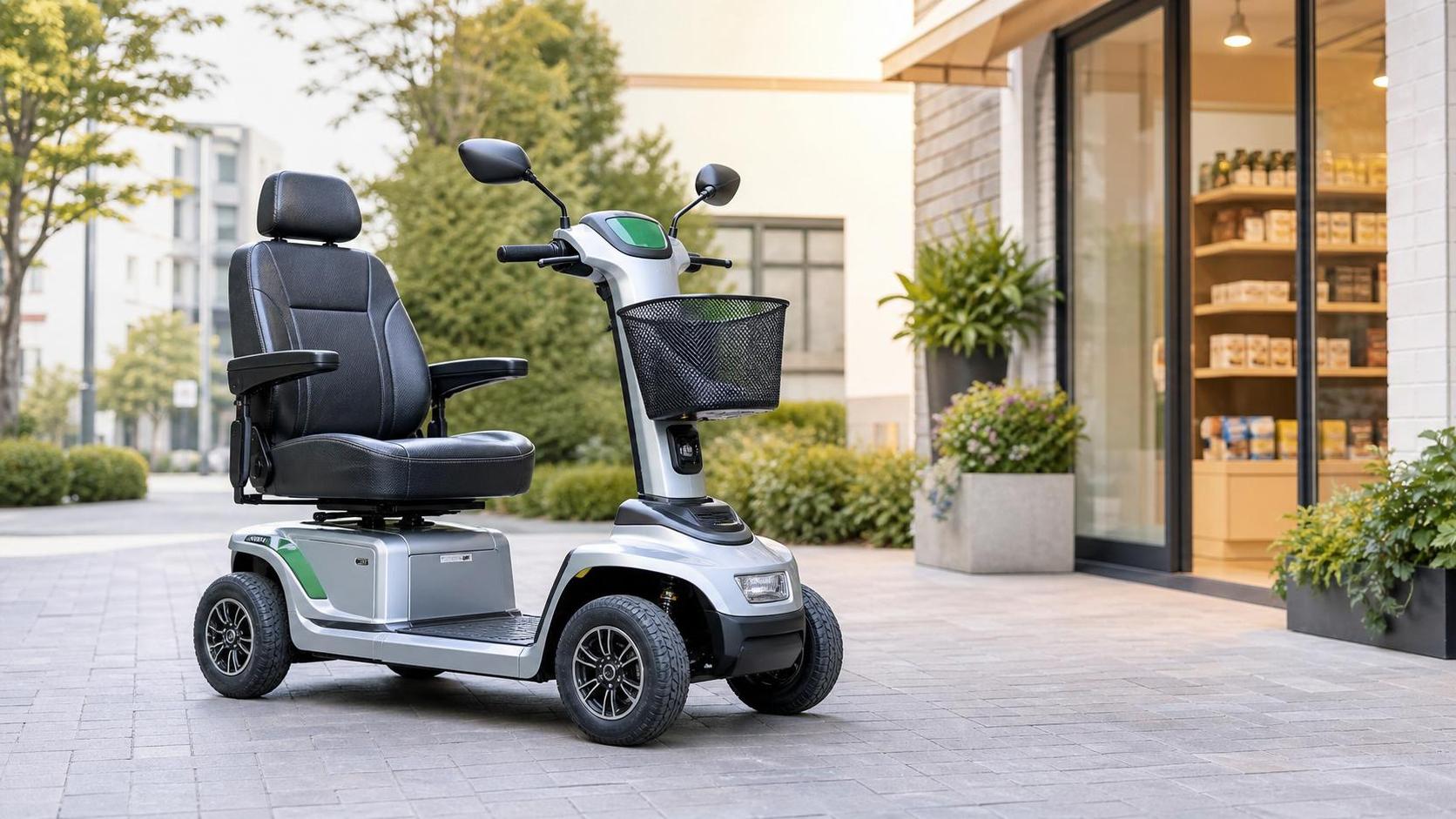
 What Is an Electric Mobility Scooter and Who Is It Best Suited For?Electric Mobility Scooter explained: learn who it suits best, how battery systems affect daily use, and what to check before buying for safer, easier independent mobility.
 What are the trade-offs of choosing an enclosed electric tricycle?Is Enclosed Electric Tricycle worth the extra cost? Discover the real trade-offs in comfort, range, maintenance, and safety to choose the best new energy solution.
 What are the trade-offs of choosing an enclosed electric tricycle?Is Enclosed Electric Tricycle worth the extra cost? Discover the real trade-offs in comfort, range, maintenance, and safety to choose the best new energy solution.
 How Far Can an Urban Commuting Electric Tricycle Go?Urban Commuting Electric Tricycle range explained: discover real-world续航, key factors, and practical tips to choose the right model for city travel, delivery, and lower operating costs.
 Is an Enclosed Electric Tricycle Worth Buying for Winter?Is Enclosed Electric Tricycle worth buying for winter? Discover how battery range, safety, comfort, and ROI affect winter mobility, and choose the right model for commuting or delivery.


Chat Online