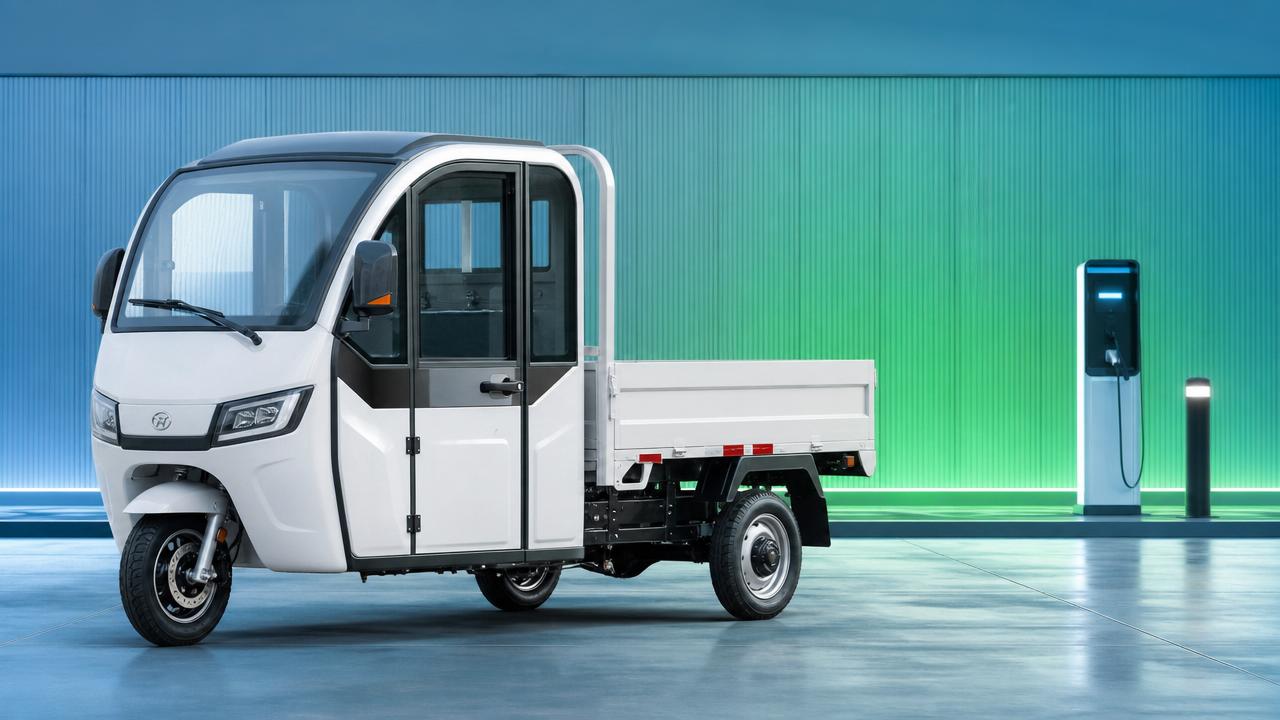
Choosing an enclosed electric tricycle can seem like a smart upgrade, but every advantage comes with a compromise. Is Enclosed Electric Tricycle worth the extra cost? That depends on how you balance comfort, weather protection, safety, battery efficiency, and maintenance needs. Before making a purchase, it is important to understand the real trade-offs so you can decide whether the added enclosure truly matches your daily travel or business needs.
For fleet buyers, local distributors, delivery operators, and mobility solution planners in the new energy sector, the question is not only about purchase price. It also involves operating range, payload efficiency, charging frequency, service intervals, and long-term reliability in real road conditions.
An enclosed electric tricycle often appeals to users who need better year-round usability than an open model can offer. Yet the added cabin, doors, glass, frame reinforcement, and electrical accessories can increase weight by 15% to 35%, which changes energy consumption and maintenance priorities.
Core Benefits and Hidden Costs of an Enclosed Electric Tricycle
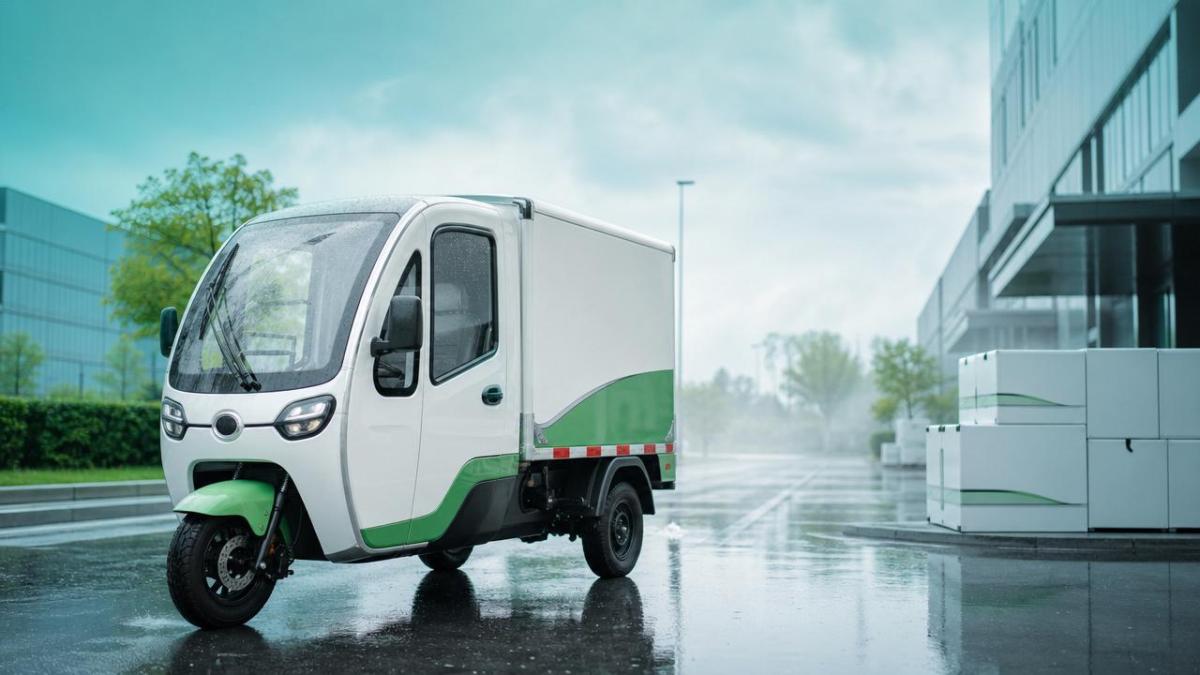
The main reason buyers consider an enclosed electric tricycle is practical protection. In rain, wind, dust, and low-temperature conditions, the enclosure improves rider comfort and extends usable operating hours. For delivery routes of 6 to 10 hours per day, this can directly support productivity.
However, comfort is not free. The cabin structure usually adds more body panels, hinges, seals, lighting parts, and transparent surfaces. That means more components to inspect, more vibration points, and more replacement items over a 12 to 24 month service cycle.
Where the Extra Cost Usually Comes From
Compared with an open-frame electric tricycle, enclosed versions generally cost more because of four factors: body material, structural reinforcement, weather sealing, and additional electrical systems. Depending on configuration, the upfront price difference may fall in a 10% to 30% range.
- Cabin frame and body shell increase material usage.
- Doors, locks, windows, and sealing strips add assembly complexity.
- Wipers, defogging, fans, or small HVAC units raise electrical load.
- Heavier curb weight may require a stronger motor or larger battery pack.
What Buyers Gain in Daily Operation
If the tricycle operates in regions with frequent rain, winter temperatures below 10°C, or high dust exposure, the enclosure can reduce driver fatigue and weather-related downtime. In business use, fewer route interruptions can matter more than a modest increase in purchase cost.
For passenger mobility and urban shuttle use, enclosure also improves perceived safety and customer acceptance. In many commercial environments, the user experience affects repeat use, especially when trips last 15 to 40 minutes and weather conditions are unstable.
Typical Trade-Off Pattern
The strongest trade-off is simple: better comfort and protection usually mean lower efficiency per charge. A heavier enclosed electric tricycle may lose 8% to 20% of effective range compared with a similar open model using the same battery chemistry, motor output, and load condition.
The table below shows how buyers typically compare open and enclosed configurations when asking, Is Enclosed Electric Tricycle worth the extra cost? It focuses on operational realities rather than marketing claims.
The key conclusion is that enclosed models create more value when downtime, weather exposure, or passenger comfort directly affect revenue. If your route is short, dry, and low-risk, the premium may be harder to justify. If your business depends on consistent all-weather operation, the extra cost may be strategic rather than optional.
Battery, Range, and Performance Impacts in New Energy Use Cases
Battery efficiency is often the deciding factor for commercial buyers. An enclosed electric tricycle may look like a simple body upgrade, but in new energy applications, added mass changes acceleration demand, hill-climbing performance, braking behavior, and the number of charging cycles needed each week.
How Enclosure Affects Real-World Range
On a light-duty route with flat roads and speeds around 25 to 35 km/h, range loss may stay near 8% to 12%. On mixed terrain, stop-and-go delivery routes, or cold-weather operation, the practical reduction can rise to 15% to 20% if battery capacity is not increased.
This matters because many buyers compare only nominal battery ratings, such as 60V 100Ah or 72V 120Ah, without recalculating usable range under actual payload. A tricycle carrying 200 to 400 kg with an enclosed body behaves differently from the same chassis in open form.
Motor and Battery Matching Matters More
To offset the enclosure’s weight, some buyers need to move from a lower-power setup to a mid-range system, such as increasing motor output from 1.5 kW to 2.5 kW or selecting a higher-capacity lithium battery. This improves drivability but also raises total procurement cost.
In fleet planning, the better question is not only Is Enclosed Electric Tricycle worth the extra cost, but whether the energy system has been correctly sized for route distance, start-stop frequency, average payload, and charging window. Poor matching creates disappointment even with a well-built vehicle.
Three Practical Performance Checks
- Measure actual daily route distance, not ideal brochure range.
- Check average payload and peak payload separately.
- Confirm whether charging happens once daily or 2 times per shift.
The following table helps procurement teams connect enclosure choice with battery planning, route design, and operational expectations.
This comparison shows that enclosure becomes easier to justify when route reliability matters more than maximizing every kilometer per charge. In other words, energy efficiency is only one part of value. Service continuity is another part, especially in mobility and last-mile logistics.
Safety, Maintenance, and Lifecycle Considerations Before Buying
Safety is one of the most common reasons buyers upgrade to enclosed designs. A cabin can improve protection from splash, flying debris, and side wind exposure. It may also improve rider confidence. But enclosure does not automatically mean better vehicle safety in every condition.
Safety Depends on Design, Not Just Body Coverage
A poorly designed enclosure can reduce visibility, trap heat, create window fogging, or shift the center of gravity upward. Buyers should inspect turning stability, braking balance, mirror coverage, lighting performance, and door latch quality before making a fleet decision.
For urban use, a practical checklist includes at least 6 items: windshield visibility, defogging method, reverse alert, braking response, side mirror field of view, and emergency egress. These details matter more than cosmetic styling when the vehicle runs daily.
Maintenance Is Usually More Frequent and More Detailed
An open electric tricycle may need basic checks on tires, brakes, battery, and suspension. An enclosed model adds extra inspection points every 30 to 90 days, depending on road condition and usage intensity. Typical additions include rubber seals, hinges, sliding tracks, wipers, and electrical connectors.
If the vehicle operates in humid or coastal environments, corrosion around metal joints and electrical terminals can appear earlier. That means maintenance planning should include cleaning intervals, seal replacement cycles, and spare-part availability, not just battery warranty terms.
Common Buyer Mistakes
- Choosing the same battery size used for an open model.
- Ignoring ventilation or defogging needs in wet climates.
- Focusing on cabin appearance instead of structural strength.
- Skipping spare-part planning for glass, locks, and seals.
The table below summarizes practical procurement factors that should be reviewed before deciding whether an enclosed electric tricycle is worth the extra cost in a commercial or utility fleet.
The main takeaway is that an enclosed design should be assessed as a system, not a body option. If weight, energy system, visibility, and maintenance planning are aligned, the premium can be justified. If they are not aligned, even a visually attractive model can underperform in the field.
Who Should Choose One and How to Make the Right Decision
Not every buyer needs an enclosed electric tricycle. The best fit usually falls into 3 categories: all-weather personal mobility, passenger service in controlled areas, and last-mile commercial operations where uptime matters more than minimum purchase cost.
Best-Fit Use Cases
If your operation runs through rain seasons, cold mornings, or dusty industrial zones, enclosure can protect both the rider and the electrical system. That can improve consistency, especially when the tricycle is used 5 to 7 days per week rather than occasional leisure use.
- Community shuttle and campus transport
- Short-distance delivery with fixed daily routes
- Utility transport inside parks, factories, or tourism areas
- Mobility use for regions with strong seasonal weather changes
When an Open Model May Be Better
If the route is short, weather is stable, and charging opportunities are limited, an open model may still offer better total value. Lower mass, simpler maintenance, and easier loading can be strong advantages for agricultural transport, local hauling, or low-speed utility tasks.
A 4-Step Buying Framework
- Define use case: passenger, cargo, utility, or mixed.
- Measure route: distance, terrain, weather, and daily frequency.
- Match system: body weight, battery size, motor power, and payload.
- Review support: spare parts, service access, and charging routine.
So, Is Enclosed Electric Tricycle worth the extra cost? In many new energy scenarios, yes, if the enclosure solves a real operating problem such as weather downtime, rider fatigue, or customer comfort. No, if the purchase is based only on appearance while range, maintenance, and payload needs are ignored.
The best decision comes from comparing total operating value over 12 to 36 months, not just the initial invoice. Buyers who evaluate daily mileage, charging pattern, climate exposure, and maintenance readiness usually make better long-term choices than those who focus only on cabin style.
If you are sourcing new energy mobility solutions and want to determine whether an enclosed electric tricycle fits your market or fleet plan, now is the right time to review your route data and technical requirements. Contact us to get a tailored recommendation, discuss product details, or explore more practical electric tricycle solutions.


 Factory Inspection Conducted to Review Production and New Product Development
 What Is an Electric Mobility Scooter and Who Is It Best Suited For?Electric Mobility Scooter explained: learn who it suits best, how battery systems affect daily use, and what to check before buying for safer, easier independent mobility.
 What are the trade-offs of choosing an enclosed electric tricycle?Is Enclosed Electric Tricycle worth the extra cost? Discover the real trade-offs in comfort, range, maintenance, and safety to choose the best new energy solution.
 What are the trade-offs of choosing an enclosed electric tricycle?Is Enclosed Electric Tricycle worth the extra cost? Discover the real trade-offs in comfort, range, maintenance, and safety to choose the best new energy solution.
 How Far Can an Urban Commuting Electric Tricycle Go?Urban Commuting Electric Tricycle range explained: discover real-world续航, key factors, and practical tips to choose the right model for city travel, delivery, and lower operating costs.
 Is an Enclosed Electric Tricycle Worth Buying for Winter?Is Enclosed Electric Tricycle worth buying for winter? Discover how battery range, safety, comfort, and ROI affect winter mobility, and choose the right model for commuting or delivery.


Chat Online