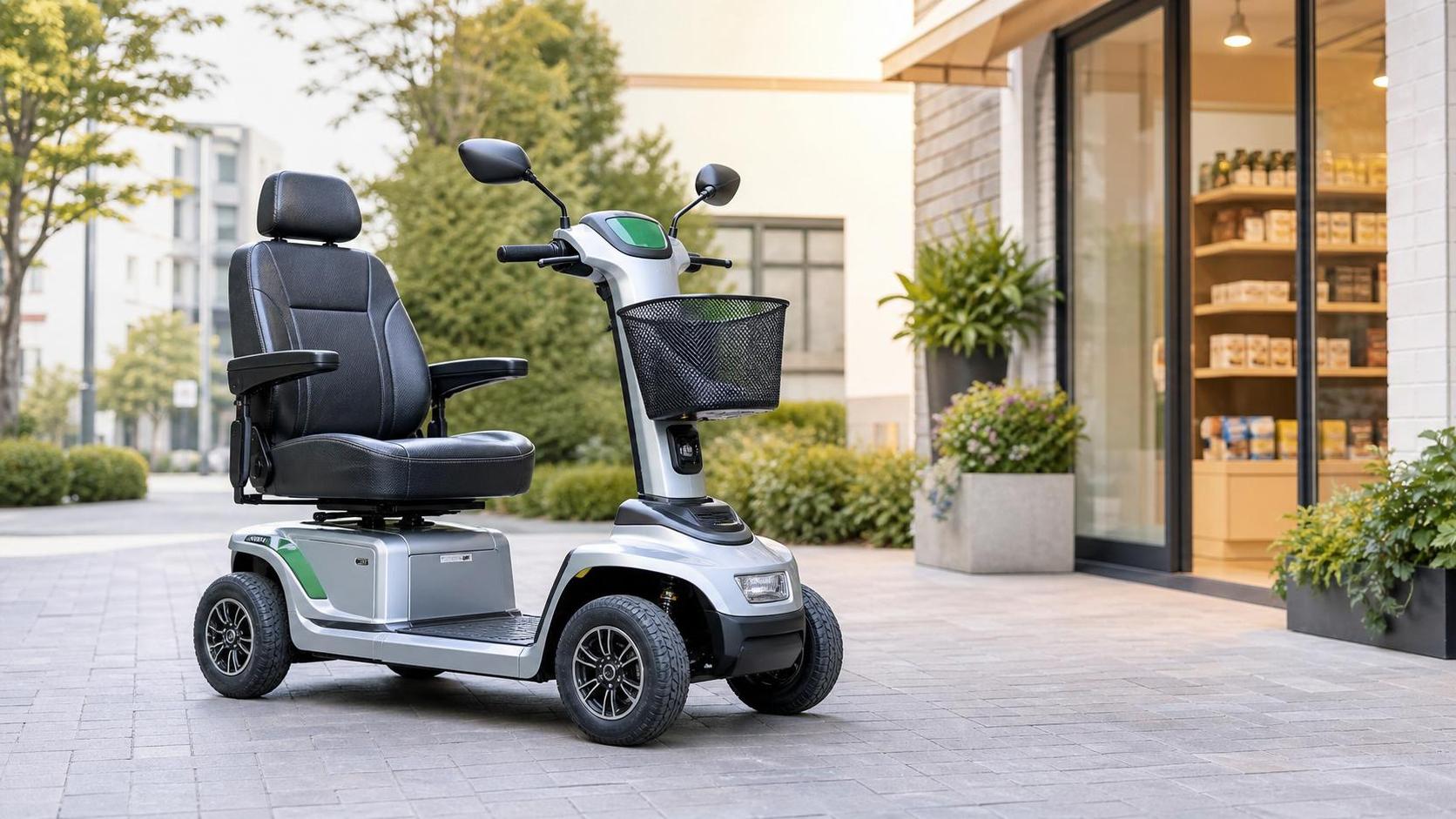
What does an Electric Mobility Scooter actually mean in daily life?
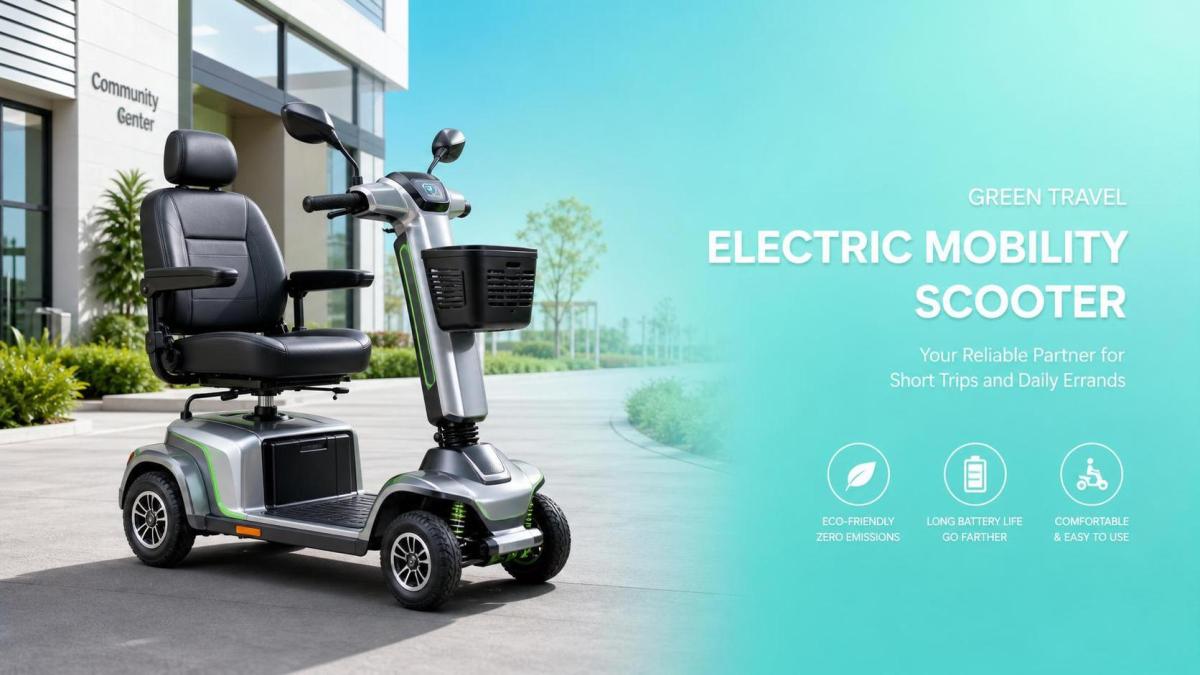
An Electric Mobility Scooter is a battery-powered vehicle built for short-distance personal travel. Its main purpose is simple: reduce walking strain while keeping everyday movement practical and comfortable.
It usually includes a seat, handlebars or a tiller, a platform for the feet, and a rechargeable battery system. Most models are designed for stable riding on pavements, community roads, and indoor-outdoor transitions.
In the new energy space, this matters because the scooter replaces fuel-based short trips with electric mobility. That makes it quieter, lower-maintenance, and more suitable for frequent stop-and-go use.
More importantly, an Electric Mobility Scooter is not just about transport. It is often about independence. For many people, the real value is being able to shop, visit family, or move around a neighborhood without relying on constant assistance.
That is why search interest keeps growing. People are not only asking what the product is. They are also trying to understand whether it fits a real mobility need, a recovery period, or a long-term lifestyle change.
Who is an Electric Mobility Scooter best suited for?
The short answer is: people who can sit upright and operate basic controls, but have limited walking endurance. Still, that group is broader than many assume.
A common user is an older adult who can still manage daily routines, but finds long walks tiring. Another is someone recovering from surgery or injury, especially when standing for long periods becomes difficult.
It can also suit people living with arthritis, joint pain, reduced balance, or chronic fatigue. In these cases, an Electric Mobility Scooter may help extend active time outside the home without overloading the body.
The key point is suitability, not age alone. A younger person with a temporary limitation may benefit more than a healthy senior. The better question is whether walking distance, stamina, and recovery capacity create daily barriers.
Need tends to become clearer in real situations:
- Walking to local shops feels manageable one way, but difficult on return.
- Large indoor spaces such as hospitals or malls become exhausting.
- Public outings are avoided because standing and walking are unpredictable.
- A caregiver is needed mainly because of distance, not full physical dependence.
When those patterns appear, an Electric Mobility Scooter often becomes a practical support tool rather than a lifestyle upgrade.
How does it work, and why does the battery system matter?
Most scooters use an electric motor powered by a rechargeable battery. The rider controls speed and direction through a tiller-mounted interface, while brakes and electronic limiters help keep movement controlled.
This may sound straightforward, but battery choice changes the experience. Range, charging time, total weight, and maintenance all depend on the energy system.
Lead-acid batteries remain common in entry and mid-range mobility products because they are cost-effective and widely available. They are heavier than lithium options, but still relevant for routine neighborhood use.
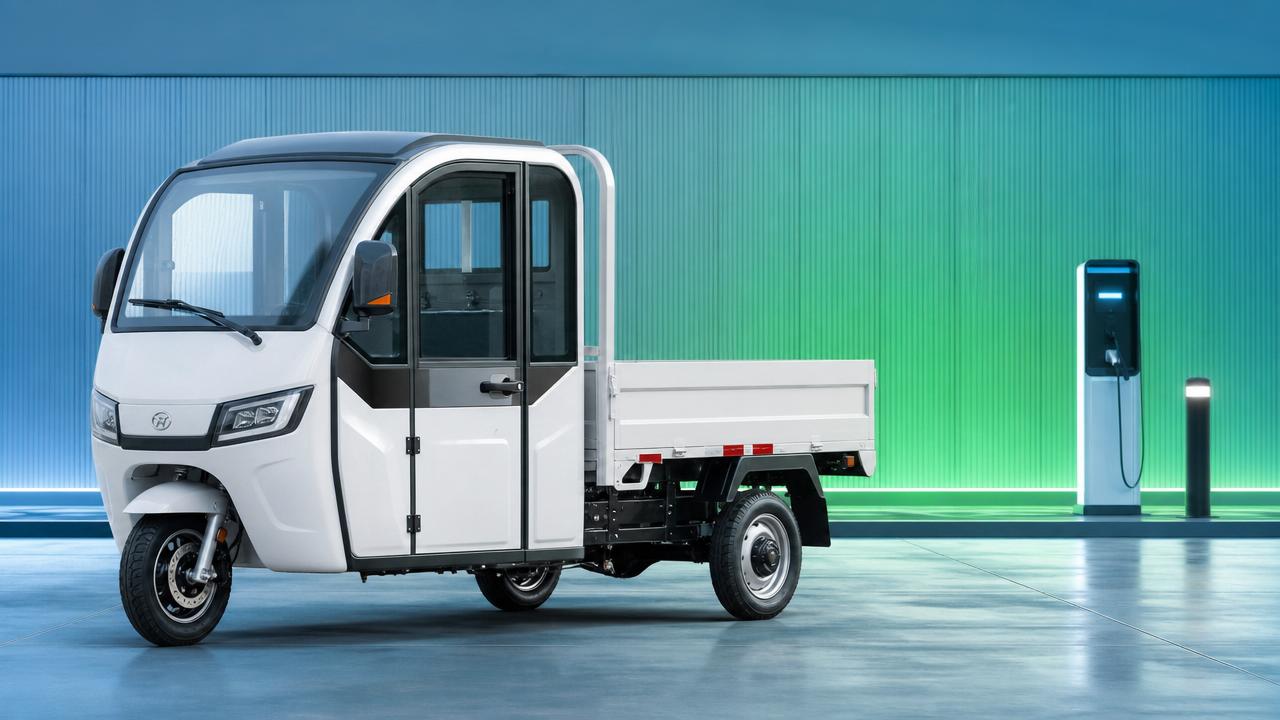
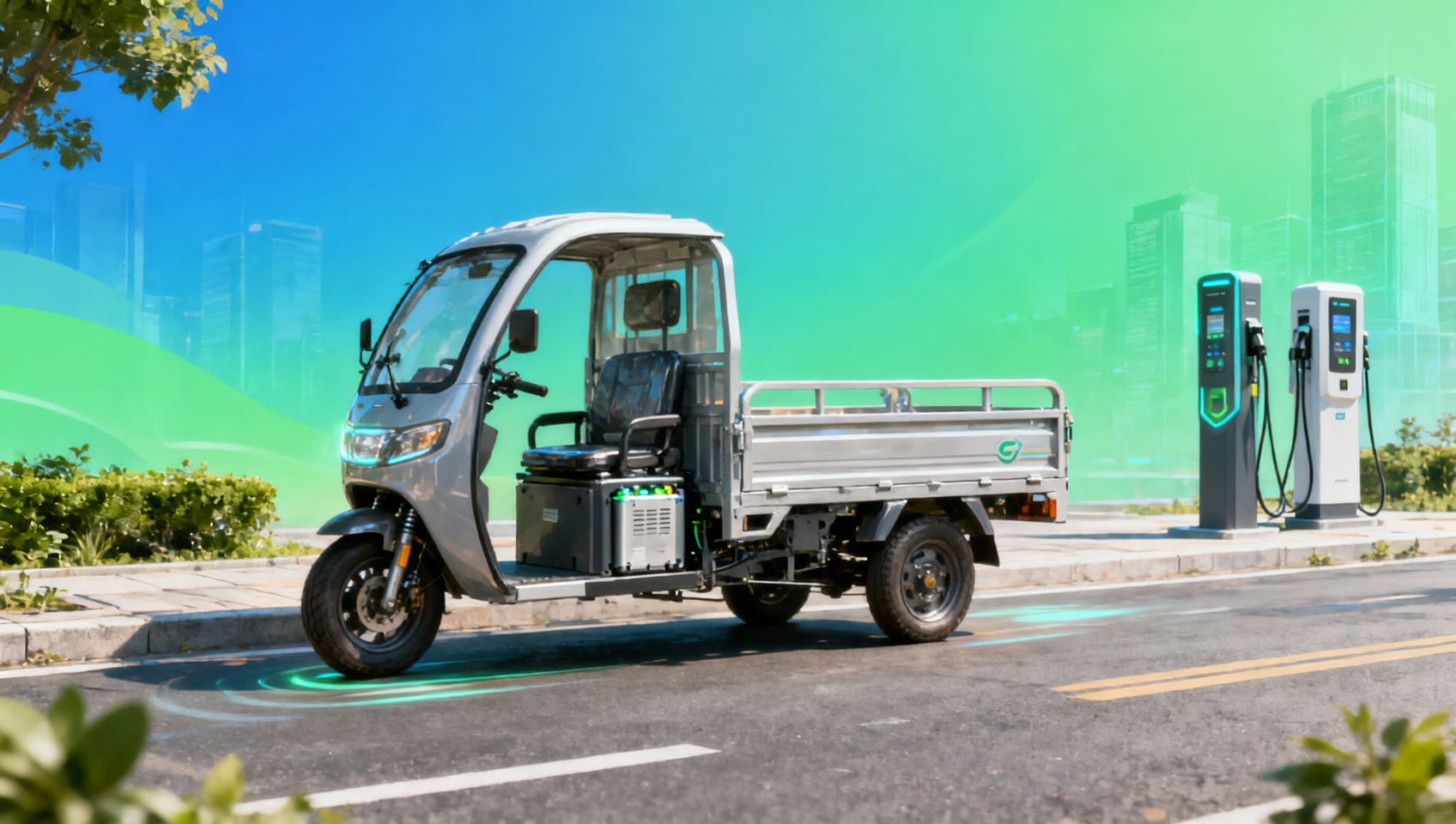
That is also why some users compare mobility scooters with other low-speed electric vehicles. For example, a three-wheel electric platform such as Hot Selling New Adult 3-Speed 48V Lead-Acid Battery China Electric Tricycle with Rear Hub Motor 3-Wheel Carbon Steel Frame may appear in the same research path when people are evaluating stability, carrying ability, and battery setup.
Still, an Electric Mobility Scooter is usually optimized for accessibility and ease of use, not cargo or utility riding. That difference matters more than appearance.
A quick way to compare common mobility needs
Before choosing a model, it helps to match the mobility challenge with the product type. The table below gives a practical starting point.
Is it the same as a wheelchair, e-bike, or electric tricycle?
Not really, although people often compare them during research. Each option solves a different mobility problem.
A wheelchair is usually better when someone needs stronger support, assisted transport, or indoor maneuverability. An Electric Mobility Scooter works best when the rider still has some trunk control and can manage steering independently.
An e-bike is designed more for active riding. It assumes balance, pedaling ability in some cases, and more confidence with traffic interaction. That makes it a poor substitute for many mobility-limited users.
An electric tricycle may offer higher stability and storage, but it often targets transport utility rather than assisted mobility. The seating geometry, turning radius, and access step may be less suitable for some users.
So when comparing categories, the best question is not which one is more powerful. It is which one reduces physical effort while staying safe and usable in everyday environments.
What should you check before choosing an Electric Mobility Scooter?
Selection mistakes usually happen when buyers focus on speed first. In practice, comfort, fit, and route conditions are more important than top performance numbers.
Start with the places where the scooter will actually be used. Door widths, lift access, pavement quality, storage area, and charging convenience shape the right choice very quickly.
Then look at the physical match between rider and machine. Seat height, legroom, turning control, and mounting ease should feel manageable without strain.
A useful checklist includes:
- Battery range that covers typical daily distance with reserve.
- Weight capacity that fits the rider and carried items.
- Ground clearance for ramps, tiles, and outdoor edges.
- Simple controls with readable indicators.
- Access to replacement batteries and service support.
Some people also explore related three-wheel electric products while narrowing their options. If that happens, compare use cases carefully rather than assuming all low-speed electric vehicles deliver the same accessibility benefits.
What are the common misunderstandings and long-term considerations?
One common misunderstanding is that an Electric Mobility Scooter automatically reduces all mobility risk. It helps with walking fatigue, but it does not remove the need for stable transfers, attention to terrain, or charging discipline.
Another mistake is choosing a scooter that is too large. Bigger models may promise longer range, yet they can become awkward indoors, harder to store, and less practical for normal errands.
Costs should also be viewed beyond the purchase price. Battery replacement cycles, tire wear, service availability, and charging habits all affect ownership value over time.
In actual use, the most successful buyers usually prepare for three things:
- Where the scooter will be charged every day.
- Whether local surfaces and building access are scooter-friendly.
- How easy it is to maintain batteries, brakes, and tires.
That is also where broader electric mobility research becomes useful. For example, battery setup and frame stability seen in products like the Hot Selling New Adult 3-Speed 48V Lead-Acid Battery China Electric Tricycle with Rear Hub Motor 3-Wheel Carbon Steel Frame can help illustrate how different electric platforms prioritize durability, balance, and energy storage in different ways.
The smarter path is to treat an Electric Mobility Scooter as a personal mobility solution, not a generic electric vehicle purchase.
So, when does choosing an Electric Mobility Scooter make sense?
It makes sense when walking limits daily freedom, but independent seated travel is still realistic. That is the point where the scooter stops being optional and starts becoming genuinely useful.
A good decision usually comes from matching real routes, body comfort, battery expectations, and storage conditions. When those pieces line up, an Electric Mobility Scooter can support safer, more consistent movement with less physical strain.
If you are still comparing options, begin with a simple review of daily travel distance, surface conditions, turning space, and charging access. That will narrow the field faster than focusing on appearance or speed alone.
From there, compare product categories carefully, confirm maintenance needs, and use practical criteria to judge whether an Electric Mobility Scooter is the right fit for current and future mobility needs.


 Factory Inspection Conducted to Review Production and New Product Development
 What Is an Electric Mobility Scooter and Who Is It Best Suited For?Electric Mobility Scooter explained: learn who it suits best, how battery systems affect daily use, and what to check before buying for safer, easier independent mobility.
 What are the trade-offs of choosing an enclosed electric tricycle?Is Enclosed Electric Tricycle worth the extra cost? Discover the real trade-offs in comfort, range, maintenance, and safety to choose the best new energy solution.
 What are the trade-offs of choosing an enclosed electric tricycle?Is Enclosed Electric Tricycle worth the extra cost? Discover the real trade-offs in comfort, range, maintenance, and safety to choose the best new energy solution.
 How Far Can an Urban Commuting Electric Tricycle Go?Urban Commuting Electric Tricycle range explained: discover real-world续航, key factors, and practical tips to choose the right model for city travel, delivery, and lower operating costs.
 Is an Enclosed Electric Tricycle Worth Buying for Winter?Is Enclosed Electric Tricycle worth buying for winter? Discover how battery range, safety, comfort, and ROI affect winter mobility, and choose the right model for commuting or delivery.


Chat Online